 Image 1 of 1
Civil rights leader Medgar Evers spent years challenging segregation in Mississippi, investigating racial violence, and organizing voter registration efforts under constant threat. His work made him a target long before his name became nationally known.
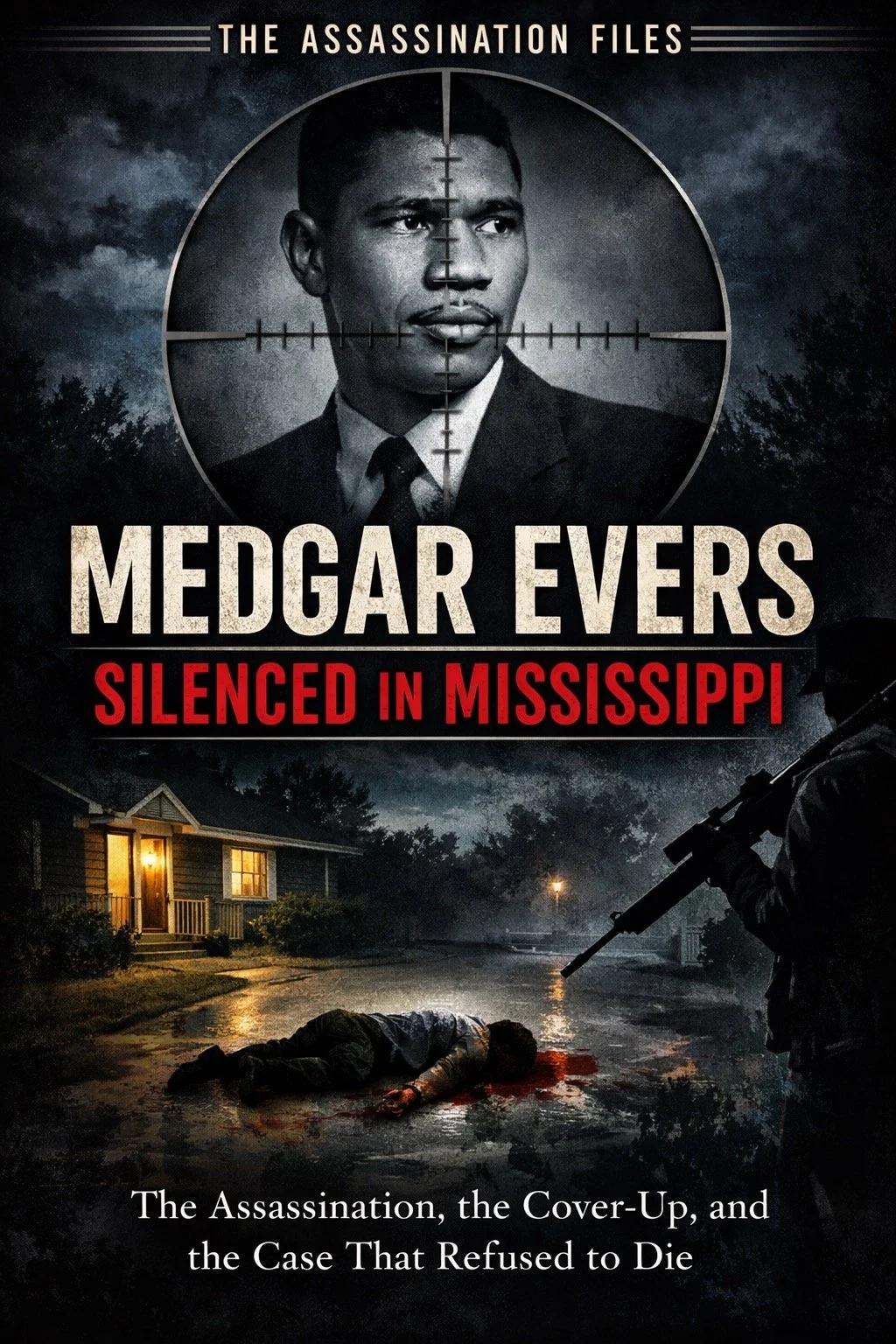
On June 12, 1963, Evers was shot in his own driveway.
Authorities arrested Byron De La Beckwith, yet repeated trials failed to secure a conviction for decades. Witness intimidation, missing evidence, and conflicting testimony raised concerns about whether justice was deliberately delayed. Only thirty years later would a conviction finally occur — after key information resurfaced.
The murder shocked the nation, but the handling of the investigation raised another question: was this simply a hate crime, or did systemic protection allow the crime to remain unresolved for a generation?
Civil rights leader Medgar Evers spent years challenging segregation in Mississippi, investigating racial violence, and organizing voter registration efforts under constant threat. His work made him a target long before his name became nationally known.
On June 12, 1963, Evers was shot in his own driveway.
Authorities arrested Byron De La Beckwith, yet repeated trials failed to secure a conviction for decades. Witness intimidation, missing evidence, and conflicting testimony raised concerns about whether justice was deliberately delayed. Only thirty years later would a conviction finally occur — after key information resurfaced.
The murder shocked the nation, but the handling of the investigation raised another question: was this simply a hate crime, or did systemic protection allow the crime to remain unresolved for a generation?