 Image 1 of 1
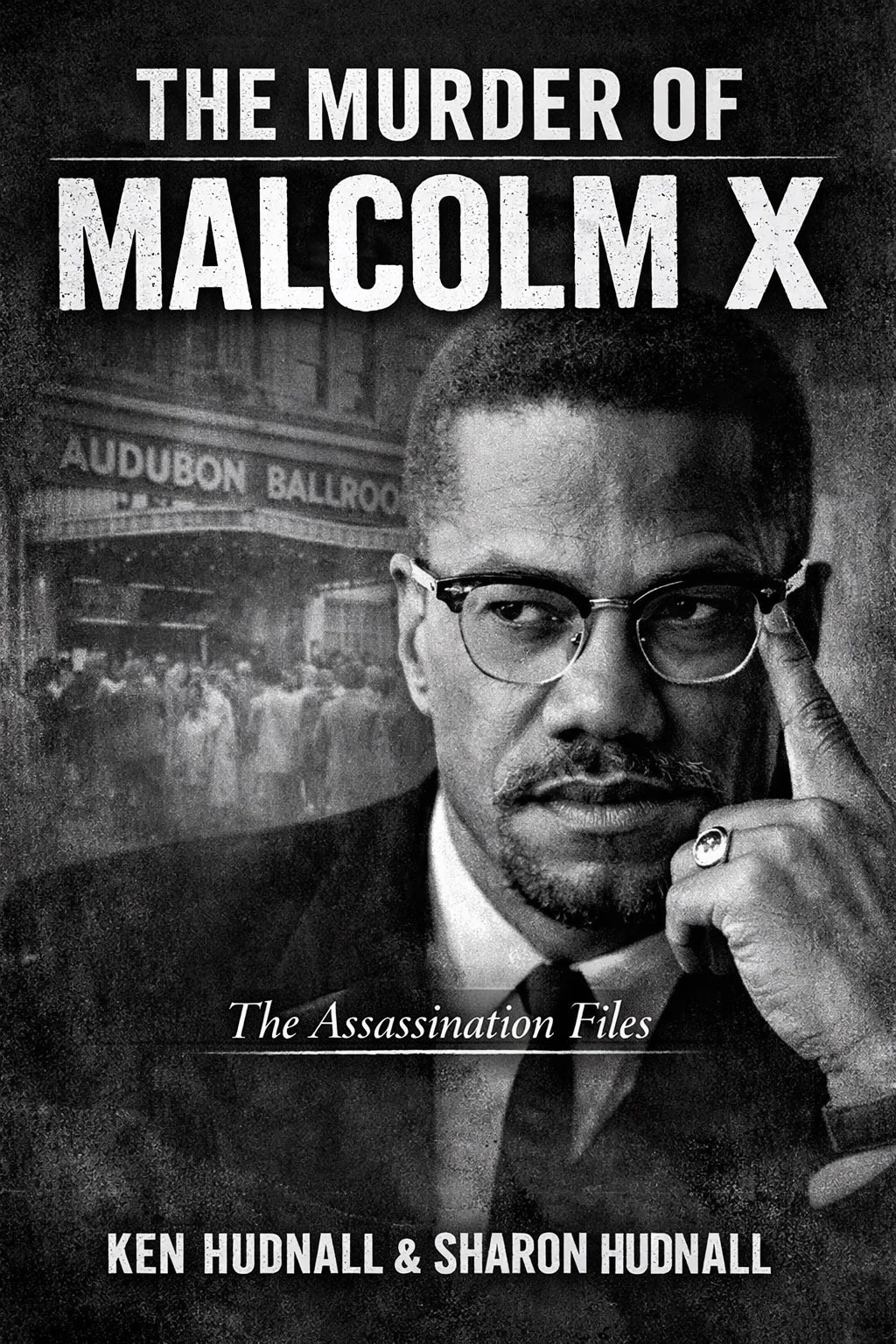
On February 21, 1965, inside the Audubon Ballroom in New York City, Malcolm X was shot down in front of his family and hundreds of witnesses — a killing quickly blamed on members of the Nation of Islam.
But the official story never truly settled the questions.
In The Murder of Malcolm X, Ken Hudnall and Sharon Hudnall dig beneath the courtroom narrative to examine the evidence that never fit neatly into the case file. Why was security strangely absent? Why were known threats ignored? Why did witnesses later contradict sworn testimony? And how did two men spend decades in prison for a crime the system eventually admitted they did not commit?
Drawing on declassified documents, later investigations, and modern re-examinations, this book explores:
The growing rift between Malcolm X and the Nation of Islam
The role of government surveillance and informants
Witness intimidation and conflicting testimony
The controversial convictions of Muhammad Abdul Aziz and Khalil Islam
The 2021 exonerations that reshaped the case
The lingering question: who really planned the assassination?
More than a biography and more than a crime story, this is an investigation into how politics, religion, and power collided at the height of the Civil Rights era — and how history can be written before the facts are known.
Some assassinations silence a man.
Others silence the truth.
On February 21, 1965, inside the Audubon Ballroom in New York City, Malcolm X was shot down in front of his family and hundreds of witnesses — a killing quickly blamed on members of the Nation of Islam.
But the official story never truly settled the questions.
In The Murder of Malcolm X, Ken Hudnall and Sharon Hudnall dig beneath the courtroom narrative to examine the evidence that never fit neatly into the case file. Why was security strangely absent? Why were known threats ignored? Why did witnesses later contradict sworn testimony? And how did two men spend decades in prison for a crime the system eventually admitted they did not commit?
Drawing on declassified documents, later investigations, and modern re-examinations, this book explores:
The growing rift between Malcolm X and the Nation of Islam
The role of government surveillance and informants
Witness intimidation and conflicting testimony
The controversial convictions of Muhammad Abdul Aziz and Khalil Islam
The 2021 exonerations that reshaped the case
The lingering question: who really planned the assassination?
More than a biography and more than a crime story, this is an investigation into how politics, religion, and power collided at the height of the Civil Rights era — and how history can be written before the facts are known.
Some assassinations silence a man.
Others silence the truth.