 Image 1 of 1
By 1968 Martin Luther King Jr. had moved beyond civil rights into opposition to war and economic inequality, positions that drew intense surveillance from federal authorities. Government agencies monitored his activities closely while public tensions rose nationwide.
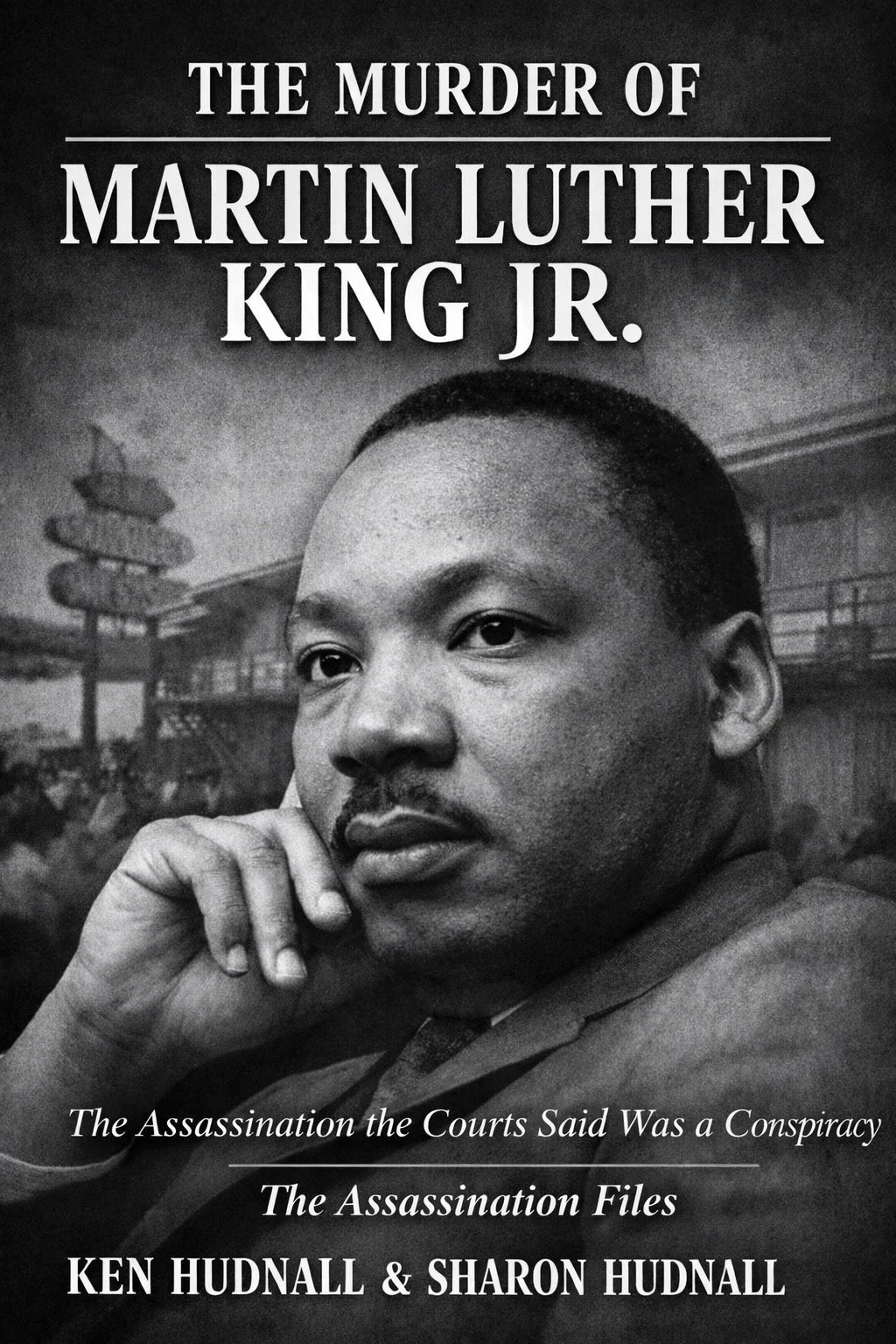
On April 4, 1968, King was shot on a Memphis balcony.
James Earl Ray pleaded guilty, yet later recanted. Subsequent investigations revealed destroyed documents, disputed ballistics evidence, and witness testimony suggesting multiple participants. A later civil trial concluded a broader conspiracy was likely involved, though official findings remained unchanged.
Was the assassination the act of a lone gunman… or the culmination of forces determined to silence a national figure whose influence had become unpredictable?
By 1968 Martin Luther King Jr. had moved beyond civil rights into opposition to war and economic inequality, positions that drew intense surveillance from federal authorities. Government agencies monitored his activities closely while public tensions rose nationwide.
On April 4, 1968, King was shot on a Memphis balcony.
James Earl Ray pleaded guilty, yet later recanted. Subsequent investigations revealed destroyed documents, disputed ballistics evidence, and witness testimony suggesting multiple participants. A later civil trial concluded a broader conspiracy was likely involved, though official findings remained unchanged.
Was the assassination the act of a lone gunman… or the culmination of forces determined to silence a national figure whose influence had become unpredictable?